Insulation installation cost in Norwalk, CA depends on the material chosen, the area being insulated, the current condition of the existing insulation, and the accessibility of the space. Bright Sky Attic Insulation, an insulation company serving Norwalk and surrounding communities in the San Gabriel Valley and Southeast Los Angeles corridors, provides free inspections and written quotes so you know exactly what your project will cost before any work begins. The sections below break down pricing by material and by area, explain the factors that move costs up or down, and answer the questions Norwalk homeowners ask most often. For a fuller look at how pricing works, see our cost page.
At a glance
How much does insulation installation cost in Norwalk, CA?
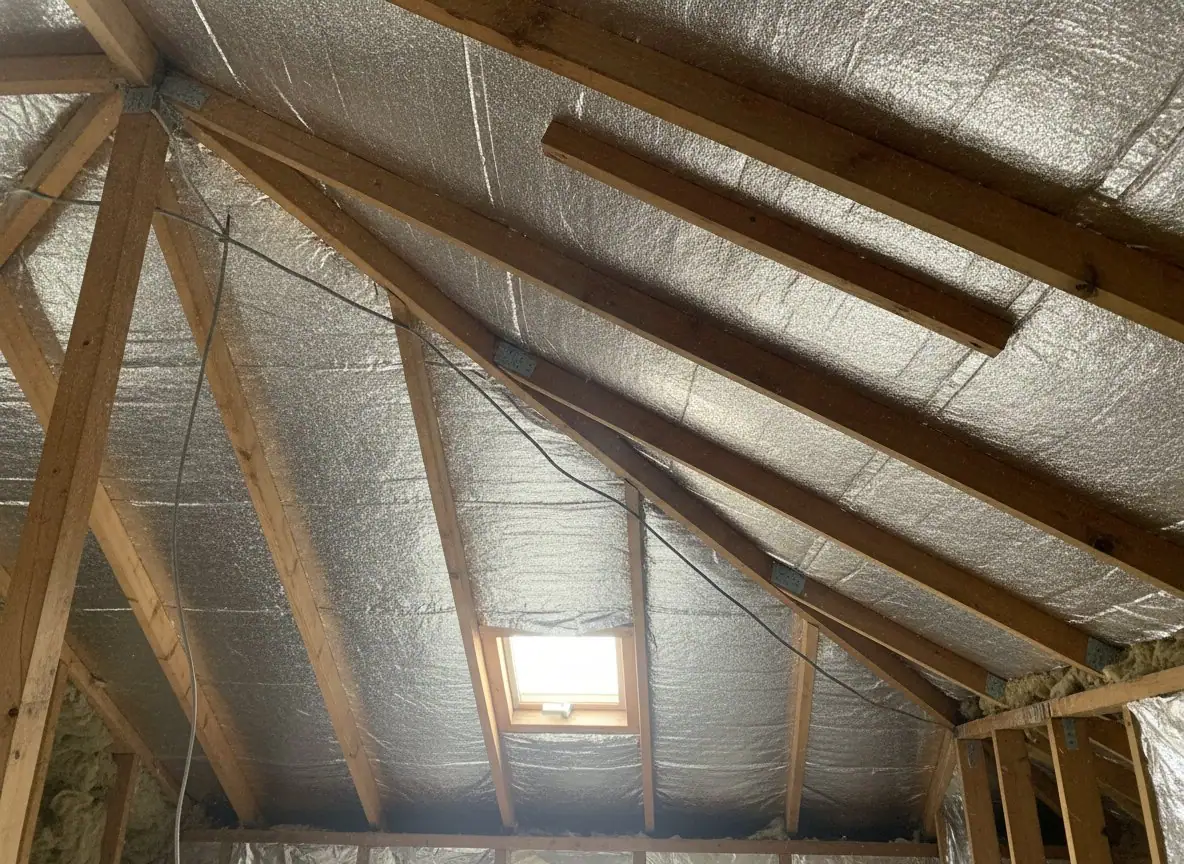
Insulation installation cost typically falls between $1,000 and $4,500 for a standard residential project, or roughly $0.65 to $7.50 per square foot installed, depending on material type, the size of the home, and the specific area being treated. Those figures come from national benchmarks, but Norwalk adds its own variables. The city's housing stock skews heavily toward mid-century tract homes built between the 1950s and 1970s, many of which were insulated to standards that fall well below California's current Title 24 building energy code. Upgrading insulation in those homes often requires removing deteriorated original material before new product can go in, which adds labor cost that a simple top-up does not.
Norwalk's climate sits in IECC Climate Zone 9, a hot-dry zone where summer attic temperatures routinely exceed 140°F. That thermal load puts sustained pressure on HVAC systems. Proper insulation reduces that load directly, which is why the City of Norwalk and Los Angeles County building code requirements align with California Energy Code R-value minimums for attics (R-38 or higher in most cases) and walls. Permits may be required for certain spray foam or full replacement projects; we confirm permit requirements during your free inspection.
The table below shows installed cost ranges by material type. We do not publish fixed prices because every home differs — we provide a written quote after inspecting your specific space.
| Material | Typical Installed Range (per sq ft) | Best-Fit Application |
|---|---|---|
| Fiberglass batts | $0.65 – $2.00 | Open attic floors, wall cavities (new construction or open walls) |
| Blown-in fiberglass | $1.00 – $2.50 | Attic floors, hard-to-reach spaces |
| Rockwool (mineral wool) batts | $1.50 – $3.50 | Walls, ceilings, soundproofing applications |
| Blown-in cellulose | $1.00 – $3.00 | Attic top-ups, dense-pack walls |
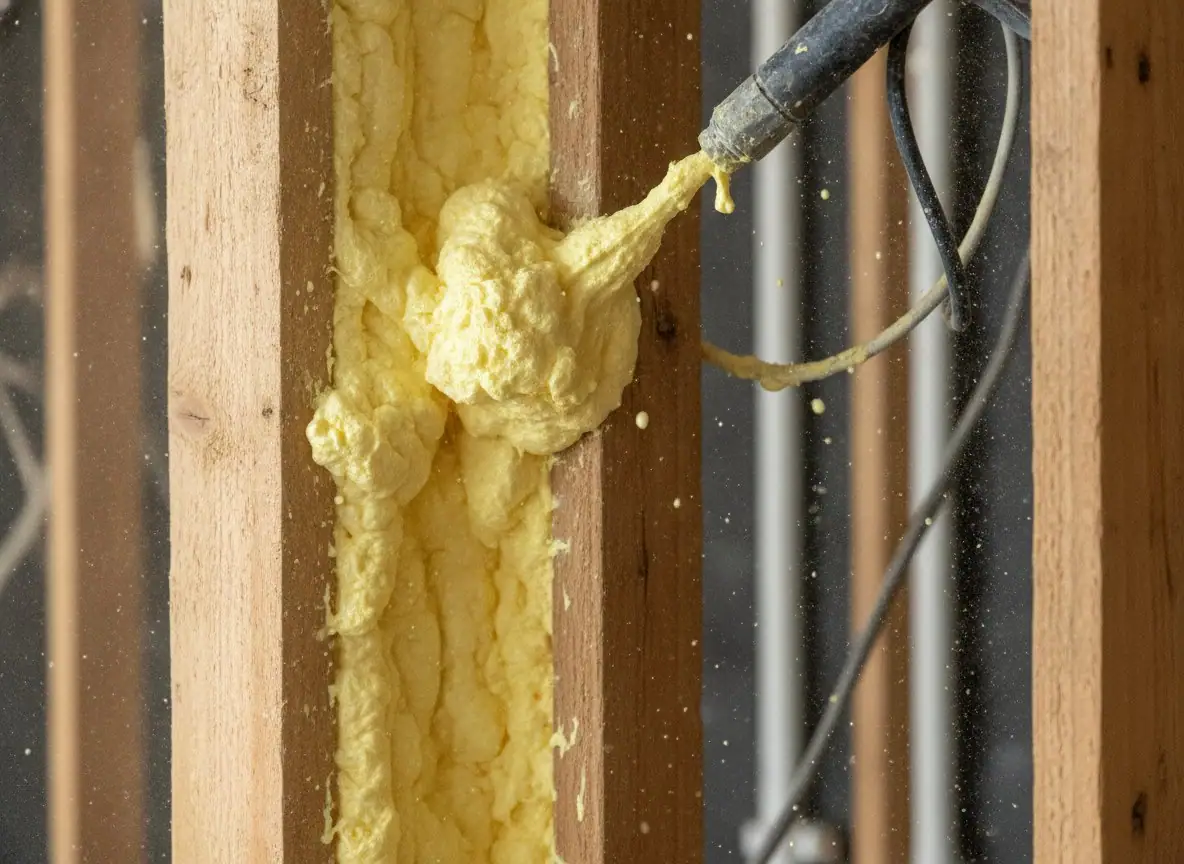
| Spray foam (open-cell) | $1.50 – $4.00 | Crawl spaces, rim joists, irregular cavities |
| Spray foam (closed-cell) | $3.00 – $7.50 | Roof decks, moisture-critical areas |
Understanding what drives those ranges helps you budget accurately — and fiberglass is the most common starting point for Norwalk homeowners, so it makes sense to look at that material first.
FAQ
How much does fiberglass insulation cost?
Fiberglass insulation is typically the most affordable option per square foot, with installed costs ranging from $0.65 to $2.50 depending on whether batts or blown-in product is used and the difficulty of access. The lower end applies to open, accessible attic floors where batts can be laid in quickly. Costs rise when installers must work around HVAC equipment, low roof pitches, or existing damaged insulation that needs removal first.
Fiberglass is widely available, easy to cut to fit standard joist and stud spacing, and performs well in Norwalk's dry climate. It does not hold moisture the way cellulose can in humid conditions, which matters less here than it would on the coast, but it still provides reliable thermal resistance across a wide temperature range.
One detail many homeowners miss: fiberglass batts must be installed with no compression and no gaps at edges. A batt that is stuffed into a cavity 10% narrower than its rated width can lose up to 20% of its stated R-value. Our trained technicians cut and fit each batt to the actual cavity before it goes in, which preserves the rated performance. Knowing what a roll of fiberglass costs helps you cross-check any quote you receive.
Ask us directlyFiberglass Insulation: Pros and Cons
Pro: Lowest material cost among common insulation types Pro: Non-combustible; does not support mold growth Pro: Easy to install in standard joist and stud bays Pro: Widely available; predictable lead times Con: Loses effectiveness if compressed, wet, or improperly fitted Con: Air gaps around batts allow convective heat transfer Con: Requires protective gear during installation (irritant fibers) Con: Lower sound-blocking performance than rockwool at the same thickness
Free, no-obligation estimates
Talk to Bright Sky Attic Insulation
Tell us what you need and we’ll take it from there.
What does a roll of fiberglass insulation cost?
A single roll of fiberglass batt insulation at the retail level runs roughly $20 to $60 depending on width, thickness, and R-value, but that retail price tells you little about total project cost. Professional installations include labor, waste material disposal, air sealing, vapor barrier work where required, and equipment such as blowing machines for loose-fill applications — none of which appear on a store shelf price tag.
Contractors also buy material at volume pricing, so the installed-per-square-foot rate from a professional often compares favorably to a DIY approach once you factor in tool rental, disposal fees, and the time cost of doing the work yourself. The DIY vs. professional question is addressed fully later on this page. First, it helps to compare fiberglass to its main alternative — rockwool.
How much does rockwool insulation cost?
Rockwool insulation (also called mineral wool) typically costs $1.50 to $3.50 per square foot installed, making it more expensive than fiberglass batts but competitive with blown-in products when sound control or fire resistance is a priority. Rockwool is made from basalt rock and recycled slag; it is denser than fiberglass, which gives it better acoustic performance and a higher resistance to air movement through the batt itself.
In Norwalk homes where interior wall soundproofing or garage separation walls are the goal, rockwool's density often justifies the higher material cost. Rockwool is also non-combustible at temperatures above 2,000°F, which can be a deciding factor in garage walls adjacent to living space. The price premium over fiberglass narrows when you account for less air sealing tape needed, because rockwool's density reduces air infiltration through the cavity. Next, look at how R-38 — the California Energy Code target for most Norwalk attics — affects cost.
At a glance
How much does R-38 insulation cost?
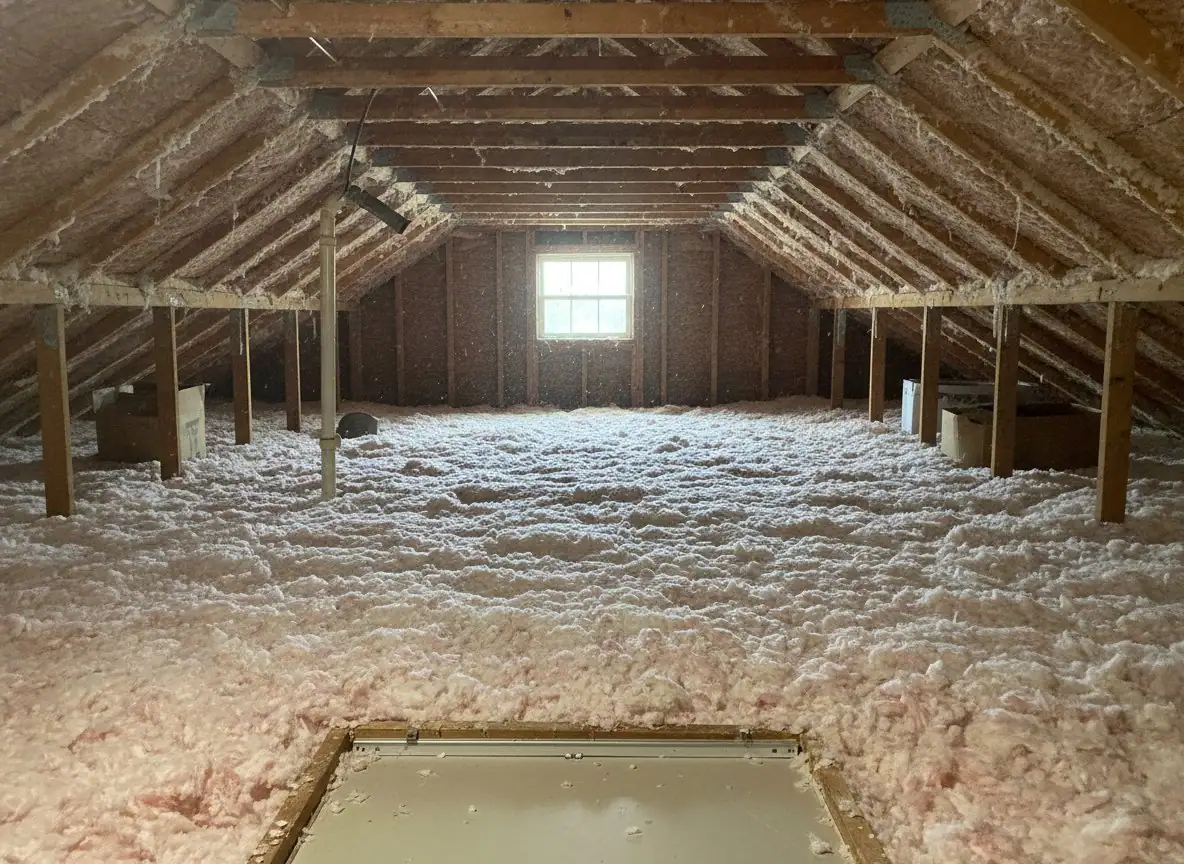
Reaching R-38 in a Norwalk attic typically requires 10 to 12 inches of fiberglass batts or blown-in product, or approximately 15 inches of loose-fill cellulose, and the cost reflects both material depth and total square footage covered. R-38 is the minimum attic R-value required under California's Title 24 for most climate zones, including Norwalk's Zone 9.
R-value measures resistance to heat flow per inch of material thickness. Doubling the R-value from R-19 to R-38 does not double the energy savings — the relationship follows a curve of diminishing returns — but moving from R-13 (common in older Norwalk tract homes) to R-38 produces a substantial reduction in cooling load, which is the primary energy driver in a hot-dry climate.
| Target R-Value | Approximate Depth (blown-in fiberglass) | Relative Material Cost vs. R-19 |
|---|---|---|
| R-19 | ~6 in | Baseline |
| R-30 | ~10 in | ~1.5× baseline |
| R-38 | ~12 in | ~2× baseline |
| R-49 | ~16 in | ~2.5× baseline |
When existing insulation is at R-13, we typically add a blown-in top-up layer rather than removing and replacing — this preserves usable material and reduces cost. If existing insulation is damaged by rodents, moisture, or mold, removal is necessary before any top-up can achieve rated performance. Ceiling insulation cost per square foot captures the full picture of attic and ceiling work.
At a glance
How much does ceiling insulation cost per square foot?
Ceiling insulation cost per square foot ranges from $0.65 to $4.00 depending on material, existing conditions, and access. Flat accessible attic ceilings with no obstructions sit at the lower end; cathedral ceilings, low-pitch rafters, and ceilings with existing damage push cost upward. The table below summarizes the main cost factors for ceiling insulation projects.
| Cost Factor | Effect on Price |
|---|---|
| Removal of old or damaged insulation | Adds labor and disposal cost; often $0.50–$1.50 per sq ft additional |
| Air sealing before insulation | Best practice; adds material and time but improves performance significantly |
| Roof pitch and access | Low-pitch or cathedral ceilings require more labor time |
| Existing recessed light fixtures | Must be air-sealed or capped before insulation is laid over them |
| Vapor barrier requirement | Rarely needed in Norwalk's dry climate but required in some crawl space applications |
| Target R-value | Higher R-value means more material depth and higher total cost |
One practical decision rule: if your attic hatch opens to an attic floor that is level and clear to walk on, your ceiling insulation project will almost certainly sit at the lower end of the cost range. If your attic has a steep hip roof with multiple valleys that limit standing room, expect labor cost to increase. Wall insulation introduces a separate set of variables worth understanding on their own.
How much does wall insulation cost, including external walls?
Wall insulation cost typically ranges from $1.00 to $4.00 per square foot installed, but external wall insulation cost sits at the higher end of that range because finished interior walls require either drilling and dense-pack injection or exterior cladding removal — both of which add labor. In Norwalk, most mid-century homes have drywall or plaster interior walls that were never insulated, or were insulated with older, degraded products from decades ago. To see which materials we install instead and how they compare, visit our materials page.
External wall insulation cost is higher than interior wall work because the scope of work is larger. Options include:
- Dense-pack blown-in: Holes are drilled into the wall cavity (from inside or outside), blown-in product is packed to full density, and holes are patched. Minimal disruption to finished surfaces.
- Batt insulation in open walls: Lower cost per square foot but only practical during renovation when walls are already open.
- Exterior rigid foam board: Added over existing sheathing before new cladding is installed; most common in full re-siding projects.
- Spray foam in open cavities: High-performance but highest cost; best reserved for areas where air sealing is critical.
Read moreShow less
Finished wall retrofits always cost more than new-construction wall insulation because access to the cavity requires extra steps. We provide a room-by-room written estimate so you can decide which walls to prioritize within your budget. Attic insulation deserves its own focused look, particularly because it is usually the highest-impact project in a Norwalk home.
How much does it cost to insulate an attic?
Attic insulation projects in Norwalk typically range from $1,200 to $4,500 for a standard single-story home, with larger homes or projects requiring full insulation removal and replacement running higher. That range covers blown-in fiberglass or cellulose to reach R-38, including air sealing at penetrations — the standard scope for a Norwalk home upgrading from under-code insulation.
Key cost drivers specific to attic work include:
- Total square footage of the attic floor
- Whether existing insulation must be removed (rodent damage, moisture, mold)
- Number and type of penetrations requiring air sealing (recessed lights, HVAC boots, top plates)
- Attic access size and ease of movement inside
- Whether HVAC ducts run through the attic and require repositioning or insulating
Read moreShow less
Because attic insulation is the most requested and most detailed project we handle, we have a dedicated page covering attic insulation cost in full, with complete attic-specific cost breakdowns, removal pricing, and what to expect at each step. Here, the focus stays on how attic cost fits within the full picture of material and area pricing across your home. A common question that follows is whether DIY installation makes sense — particularly for fiberglass, which is widely sold at home improvement stores.
What is the biggest problem with fiberglass insulation?
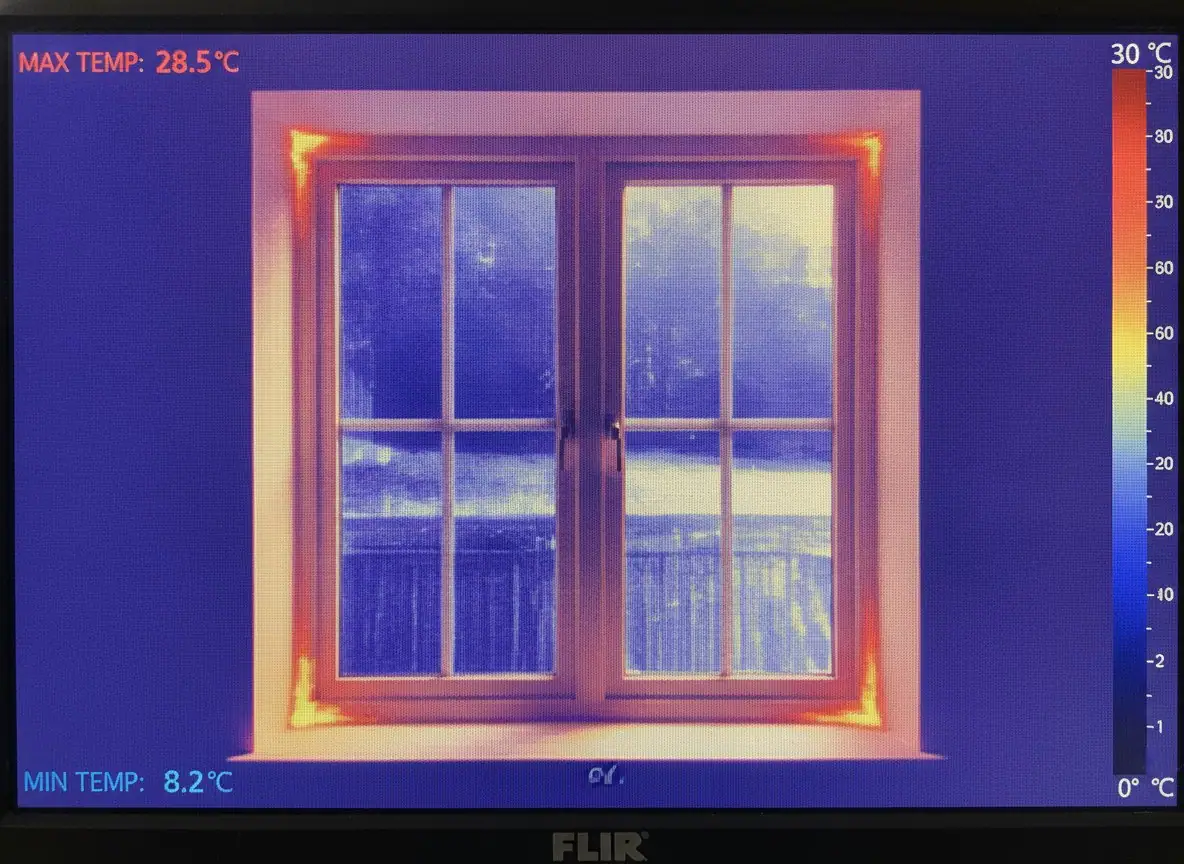
The biggest problem with fiberglass insulation is installation error — gaps, compression, and misaligned edges that reduce real-world performance well below the rated R-value printed on the bag. A properly installed R-38 attic floor and a poorly installed one can differ by 30% or more in actual thermal resistance, with the poorly installed version costing almost the same in materials.
Secondary problems include:
- Air movement through and around batts when air sealing is not completed first
- Settling over time in loose-fill applications if not installed at the correct density
- Degradation if exposed to moisture (batts mat down and lose loft)
- Inadequate coverage around recessed light fixtures, pipes, and HVAC boots
These problems are not reasons to avoid fiberglass — they are reasons to have it installed correctly the first time. This connects directly to the question of DIY versus professional installation.
Can I insulate my attic myself?
You can insulate your attic yourself if the existing insulation is in good condition, the attic is accessible, and you are comfortable working in a hot, confined space with protective gear. Attic temperatures in Norwalk can exceed 130°F in July and August, which makes summer DIY attic work genuinely hazardous without proper preparation.
Practical limits of DIY attic insulation in Norwalk:
- Blowing machines are available for rental, but achieving consistent settled depth requires practice to avoid thin spots
- Air sealing at top plates, recessed lights, and HVAC penetrations requires foam, caulk, and rigid blocking — most DIY projects skip this step and lose significant performance
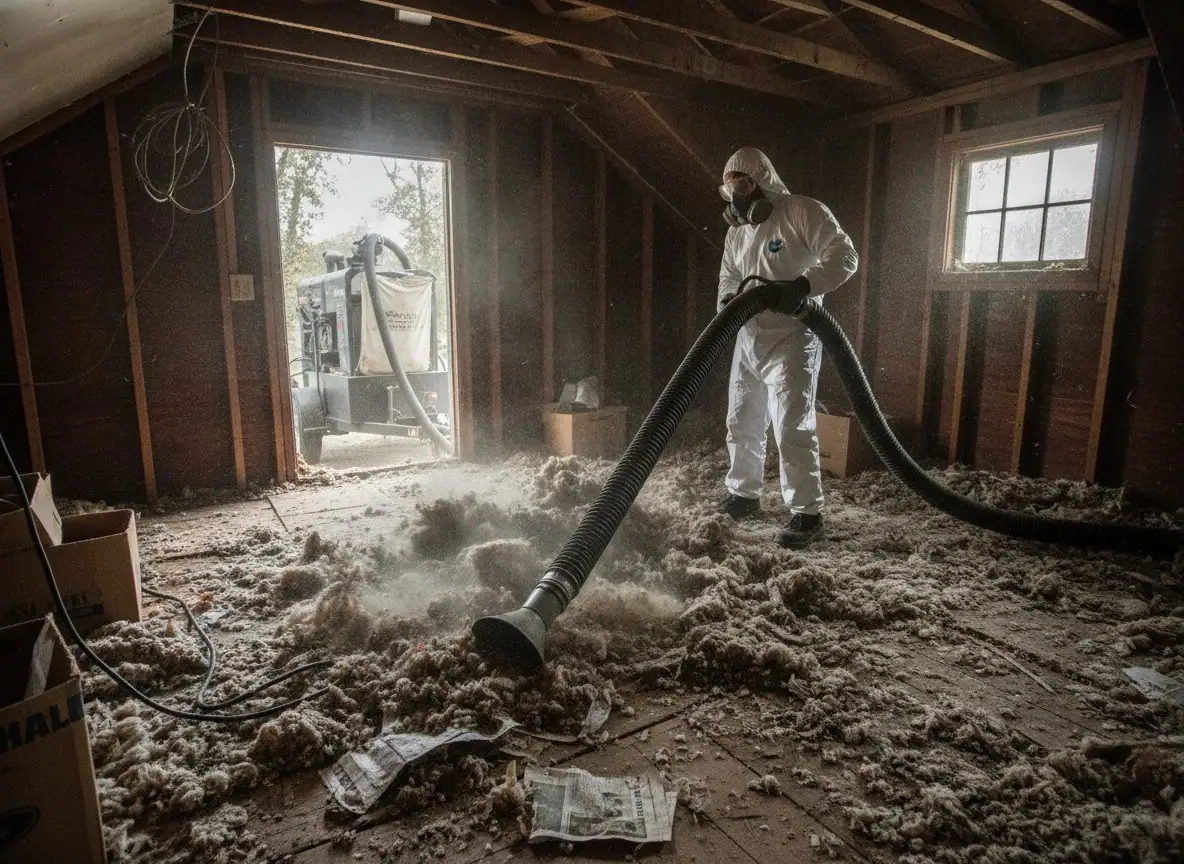
- Removal of rodent-contaminated insulation in Norwalk requires proper containment and disposal under county health guidelines
- Some permit-required projects must be inspected by the city, which requires documented installation to code
Read moreShow less
Professional installation typically delivers better long-term performance and eliminates permit complications. The cost gap between DIY and professional narrows considerably once tool rental, disposal fees, and air sealing materials are included. The timing of your project affects cost as well.
What time of year is insulation cheapest?
Insulation installation is typically least expensive during late fall and winter — roughly November through February — when demand is lower and contractor schedules are more flexible. In Norwalk, the gap between peak and off-peak seasons is less dramatic than in colder climates, but scheduling during slower periods can still improve availability and, in some cases, pricing.
Practical timing considerations for Norwalk homeowners:
- Avoid scheduling attic work in July and August if possible; heat slows work and limits safe time in the attic per session
- Spring (March–May) is a good balance: comfortable working temperatures and projects completed before the peak cooling season
- If your insulation is damaged by a storm, roof leak, or rodent infestation, timing matters less — we offer 24/7 emergency service for those situations
- Insurance-related insulation replacement should be initiated as soon as damage is confirmed; we assist homeowners with insurance claims regardless of season
Financing is available for all project sizes, so budget timing does not have to control project timing. Contact us to discuss options.
Get a Free Insulation Estimate in Norwalk, CA
Bright Sky Attic Insulation, an insulation contractor in Norwalk, provides free inspections and written estimates for insulation installation projects throughout Norwalk and the surrounding communities of Downey, Bellflower, Cerritos, La Mirada, Lakewood, Paramount, Santa Fe Springs, Whittier, Pico Rivera, Artesia, Commerce, Montebello, East Whittier, South Whittier, West Whittier-Los Nietos, Buena Park, and La Habra. Our trained technicians inspect the existing conditions, confirm current R-values, identify air sealing needs, and provide a clear line-item written quote — no pressure, no estimate fees. Call (562) 573-5138 to schedule your free inspection.
FAQ
FAQ
How long does attic insulation last?
Fiberglass and rockwool insulation in a dry attic environment like Norwalk's can remain effective for 20 to 30 years or longer when undisturbed and kept dry. Blown-in cellulose may settle over time, reducing effective R-value by 10 to 20% over 15 to 20 years. Spray foam has the longest service life and does not settle, so it is worth weighing that longevity against the spray foam insulation price for your home. Any insulation exposed to moisture, rodent activity, or pest infiltration needs to be evaluated for replacement regardless of age.
Is fiberglass or rockwool a better value?
Fiberglass is a better value when budget is the primary concern and the application is a standard attic floor or open wall cavity. Rockwool delivers better value when sound control, fire resistance, or high-humidity resistance justifies its higher material cost. In Norwalk's climate, most attic and ceiling projects favor blown-in fiberglass for cost efficiency, and the blown-in insulation cost per square foot is covered in detail on its own page. Rockwool is the stronger choice for garage walls, shared party walls, and applications where acoustic performance matters.
Does ceiling insulation cost more in a two-story home?
Ceiling insulation in a two-story Norwalk home costs more when the ceiling being insulated sits between floors rather than directly below an accessible attic. Between-floor insulation requires either open walls or drilling for dense-pack injection, adding labor cost. The attic ceiling of a two-story home — the top-floor ceiling below the roof — is typically the same cost as a single-story attic if access is comparable.
Are there minimum job charges?
Most insulation contractors, including our company, apply a minimum project charge that covers mobilization, equipment setup, and disposal — typically equivalent to 200 to 300 square feet of installed product. Very small patch jobs may cost proportionally more per square foot than a full attic project. We confirm all minimum charges in the written estimate before any work is scheduled, so there are no surprises.
Do you offer financing for insulation installation?
Yes. Bright Sky Attic Insulation offers financing options for insulation installation projects in Norwalk and throughout our service area. Financing allows you to complete the full scope of work — including air sealing, removal of damaged material, and reaching code R-values — without deferring the project to a later budget cycle. Contact us at (562) 573-5138 for details on current financing options.
Why choose us
Why choose Bright Sky Attic Insulation?
Free estimates
Get a clear, no-obligation estimate before any work begins.
Licensed & insured
Your property and our crew are protected on every project.
Residential & commercial
One team for homes, multi-family and commercial properties.
Locally owned & operated
A local team serving your community and the surrounding area.
Get in touch
Find insulation help near you
Request a free estimate online or give us a call — our team will follow up quickly.
- Call us(562) 573-5138
- Visit14020 Pioneer Blvd K, Norwalk, CA 90650
- HoursMon-Sun 07:00-19:00